
Windham County Arrest Warrants Explained
In Connecticut, §54-2a lets a Superior Court judge or other designated judicial authority issue a bench warrant of arrest. The prosecutor applies with an affidavit. That sworn statement must establish probable cause. It must show that an offense occurred and that the named person committed it. Adult criminal work in Windham County centers on the Superior Court and State's Attorney at 120 School Street in Danielson. Part A handles the most serious felonies. Geographical Area No. 11 takes Part B felonies, misdemeanors, infractions, and motor-vehicle matters. Police, resident troopers, or State Police develop the complaint and the supporting facts. The judicial authority in Windham County, not the police records desk, decides whether the legal showing holds. A search warrant under §54-33a works differently. It authorizes a search for specified evidence, not an arrest-record lookup. The official Connecticut warrant statute draws the governing distinction.
From Danielson Review to Warrant
Windham County's local sequence has stages. Sworn facts go to the prosecutor and court. A judge weighs probable cause and any requested release conditions. Once issued, the court information moves from the Criminal Motor Vehicle System into the Paperless Arrest Warrant Network. Authorized agencies can then identify the responsible agency and process the warrant electronically.
- An agency documents the alleged offense and identifies the person sought.
- The prosecutor presents an application and supporting affidavit.
- A judicial authority independently reviews probable cause.
- The signed order enters court and authorized law-enforcement systems.
- The serving agency confirms identity and current status before arrest.
These stages matter. A police report, a court docket, and an operational warrant record are related but not interchangeable, so a Windham County caller should ask which document and status the office can actually confirm.
Inside a Windham County Arrest Warrant
Only part of the file may be public. Corrections, erasures, and later orders change the Windham County court lookup over time. The Judicial Branch says its online display is not the official court record. A useful confirmation request names the specific fields, without assuming each one will be released.
| Court and docket | Danielson location, case type, year, unique sequence, and any docket suffix. |
|---|---|
| Named person | The identity attached to the judicial order, subject to restricted-record rules. |
| Charge and statute | The alleged offense and classification when publicly available. |
| Probable-cause filing | The complaint or affidavit supporting issuance, which may be sealed or redacted. |
| Issue details | Warrant type, date, judge, and any stated release condition. |
| Status and return | Active, served, recalled, or quashed status and service information when recorded. |
No sample file is a universal format. Bond, a full offense narrative, or the serving agency may be missing from the public screen. The Danielson clerk stays the Windham County confirmation source.
PRAWN Is Not a Public Portal
Windham County has no sheriff's warrant division and no county warrant database. Connecticut abolished county government. Warrant service falls to state and local police. The official PRAWN description shows an authorized-agency network, not a public login. CRMVS supplies court information, while PRAWN, COLLECT, and CISS support agency work.
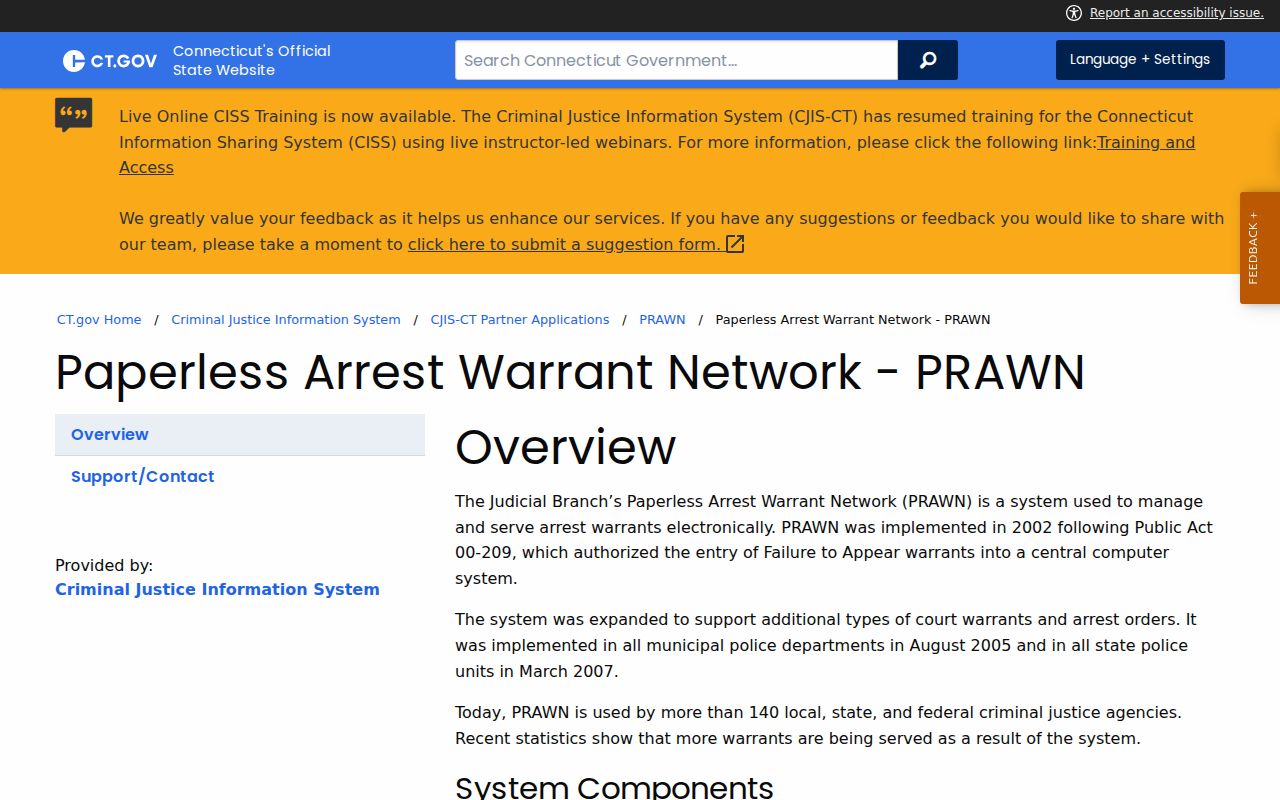
A blank public result proves little. Police may hold a live warrant anyway. That is why Windham County residents lean on the limited Judicial Branch warrant search, the criminal and motor-vehicle case lookup, and direct confirmation.
Serving Arrest Warrants in Windham County
Service depends on the town and the warrant. The Windham State's Attorney map assigns most Windham County towns to State Police Troop D. Windham is served by Troop K. Plainfield has its own department. Putnam runs one too, though it also appears in regional Troop D materials. Responsibility varies by case, so the court or originating agency should name the right contact. The State Police troop directory lists Troop D at 55 Westcott Road in Danielson, 860-779-4900.
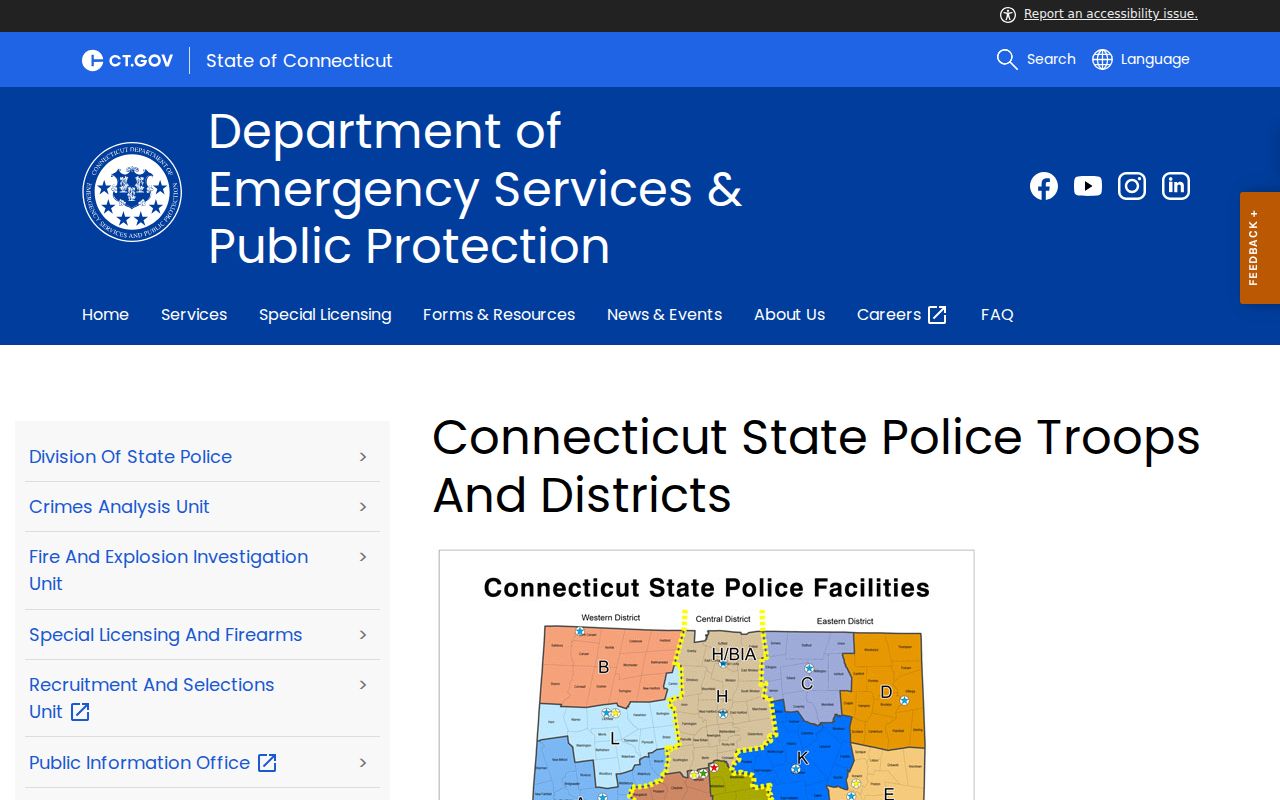
That directory gives an agency contact, not a public warrant roster. An officer with authorized access confirms identity and live status, executes the order, and follows its release or court-presentation instruction. State marshals handle civil process. They are not Windham County's routine criminal warrant unit.
Which Windham Agency Serves It?
A town name narrows the field. It cannot replace case confirmation. Troop D covers Ashford, Brooklyn, Canterbury, Chaplin, Eastford, Hampton, Killingly, Pomfret, Scotland, Sterling, Thompson, and Woodstock, along with other towns in the official map. Windham pairs Troop K with the Windham/Willimantic Police Department. Plainfield Police sits at 210 Norwich Road. Putnam Police is at 189 Church Street.
Quick answer: Call Danielson first for court status, then the originating police agency for service or recent complaint information.
The public can search the VOP/FTA Search by name, town, and court location. That's the Judicial Branch outstanding-warrant tool. It warns that Failure to Appear warrants are not displayed until further notice. Other warrant types are excluded too. The criminal and motor-vehicle case lookup can help locate a docket, but neither tool is a complete Windham County arrest warrant clearance.
Comparing Arrest, Summons, and Bench Warrants
The response turns on what the court issued. An arrest warrant authorizes custody. It rests on probable cause tied to a charged offense. A summons simply directs the person to appear in court on a set date. A bench warrant usually follows a missed appearance, a violated court order, or a probation allegation, and Connecticut also uses FTA, VOP, capias, and Order to Incarcerate as distinct terms.
| Feature | Arrest warrant | Summons | Bench warrant |
|---|---|---|---|
| Main command | Take the named person into custody | Appear on the stated date | Arrest for a court obligation |
| Typical basis | Probable cause for an offense | Charge handled without initial custody | Missed appearance, order, or probation issue |
| Issuer | Superior Court judicial authority | Court or authorized officer | Superior Court judge |
| Next step | Confirm surrender and release terms | Attend as directed | Ask about appearance, recall, or bond |
In Windham County, a summons starts as paper, not custody, but ignoring it can trigger later court action in Windham County. A bench warrant alleges no new crime; it usually responds to a missed date. Read the live docket, since the label alone does not set the next step.
Why Windham Warrants May Stay Hidden
A quiet website proves little in Windham County. No listing there does not mean no warrant exists. A fresh arrest warrant requested by police may sit outside the narrow VOP display, a court may seal a filing to guard an investigation or someone's safety, and juvenile records stay confidential under C.G.S. §46b-124. Youthful-offender and erased information never shows in ordinary public displays either. The issuing court or agency holds the release decision. Requesting a police-held report also travels a different route than a court-file request: the Connecticut Freedom of Information Act governs agency records and allows investigation and safety exemptions, while Judicial Branch court-record access follows court rules and confidentiality laws instead. The FOI Commission FAQ notes there is no universal request form, so send the request straight to the agency holding the record. That official guidance supports a focused records request, though it cannot override a court seal, juvenile confidentiality, or an active-investigation exemption.
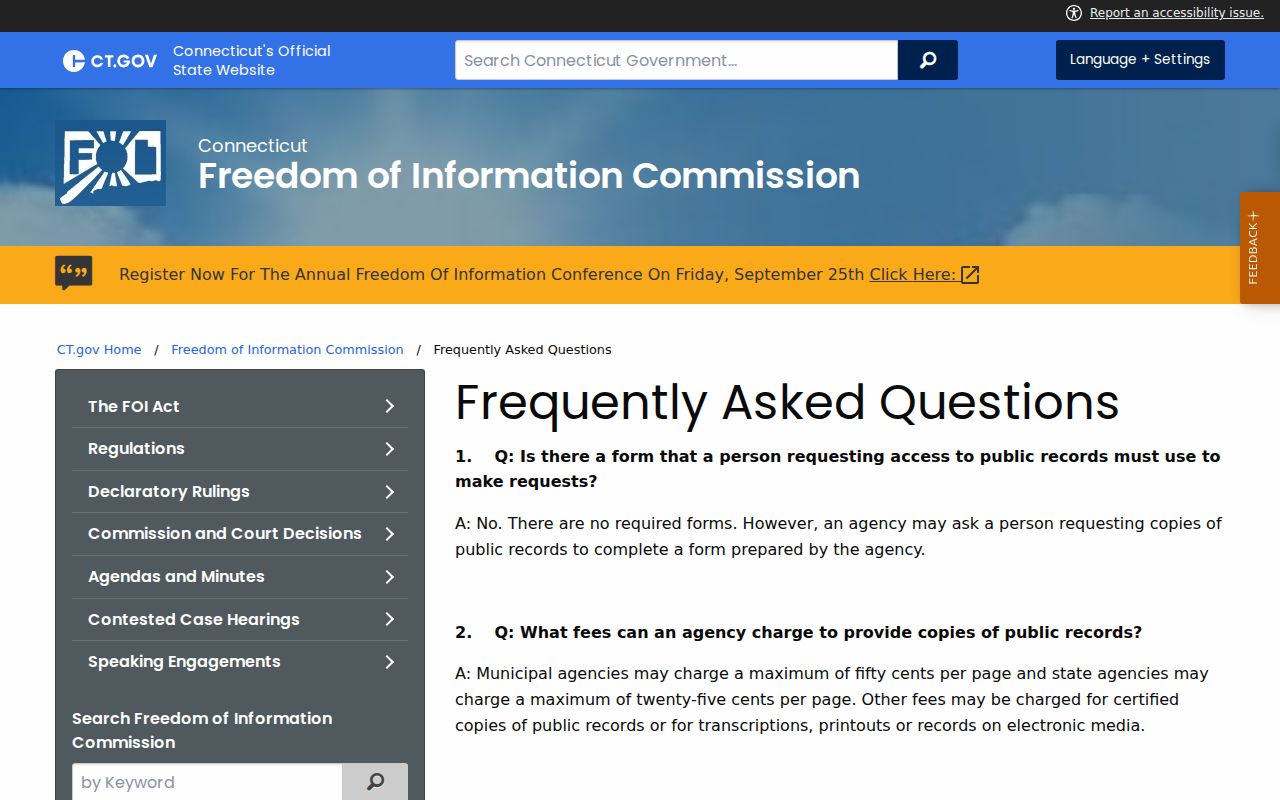
That guidance helps shape a focused records request in Windham County. It still cannot override a court seal, juvenile confidentiality, or an active-investigation exemption.
Windham County Service and Presentation
Once an arrest happens in Windham County, the agency follows the warrant's release instruction. Connecticut release law allows cash, surety, real-estate, and nonfinancial conditions where authorized, plus orders requiring presentation before a clerk or judge. Section 54-64b governs prompt presentation in specified bench-warrant situations. Bond type and amount come only from the live court order, never from a secondhand source. Posting bond is not a dismissal; it secures release and a later appearance on the court's terms. Windham County publishes no current booking timetable, after-hours bond site, or walk-in surrender window, so confirm the location, hours, payment form, ID, and next date before you travel. Keep the receipt and docket entry after service or release, and ask when CRMVS, PRAWN, and any public display should update.
If There Is an Arrest Warrant for You
Call the Superior Court Clerk at Danielson, 860-779-8480, or a lawyer first. Have the docket number, full name, originating town, and any notice handy. Ask whether the order requires custody, permits a scheduled appearance, carries bond, or could yield to a motion to recall or quash. A police complaint or probation matter behind the order means following the clerk's direction on contacting that agency in Windham County.
- Confirm the warrant category and issuing court through official channels.
- Ask counsel about a planned surrender or motion before visiting police.
- Confirm bond type, amount, authorized payment point, and required appearance.
- Do not assume an unannounced police walk-in avoids arrest.
- After action, obtain written proof and verify the docket changed.
Important: Speak with a lawyer before surrender; a voluntary appearance, bond, or recall motion must follow the issuing court's current instructions.
Qualifying Windham County cases can use the Danielson public defender line, 860-779-8560, once court involvement begins. The Windham County warrant records overview maps the countywide confirmation path. Never confront anyone or act on an online result alone.